
Color Shifts and Blurred Dots: SMP Repair in Charlotte
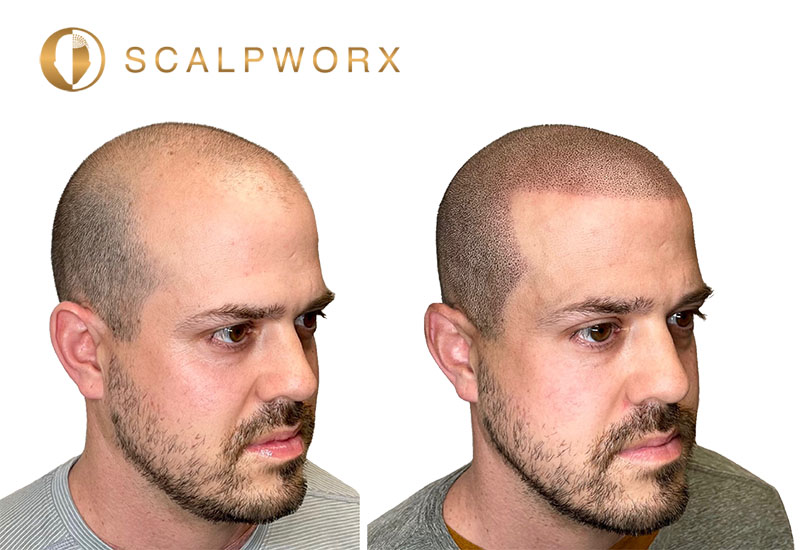
When scalp micropigmentation stops looking like soft, natural follicle detail, it can be frustrating. A color shift, overly dark pigment, blurred dots, uneven density, or a sharp hairline may affect how you feel when you look in the mirror, but these concerns do not always mean you have to live with the result.
SMP is a cosmetic technique that uses carefully placed pigment impressions to create the look of closely cropped hair follicles or fuller density. Because every scalp, skin tone, hair-loss pattern, and prior treatment is different, repair work needs a personal plan. At Scalpworx, we serve Charlotte-area men and women who want thoughtful refinements that look subtle and believable.
Why SMP Color and Dot Definition Can Change
SMP can change over time for several reasons. Your skin, pigment choice, sun exposure, scalp care habits, and the way the original treatment was applied can all affect the finished look. A shade that first appeared natural may later seem cooler, warmer, lighter, darker, or less defined.
Dot definition can also change. When pigment is placed too deeply, too densely, or with an uneven technique, individual impressions may lose their soft follicle-like appearance. Instead, they can look like ink spots, patches, or a solid area that does not blend well with your natural hair.
We often see repair concerns such as:
- Pigment that looks too dark or too saturated
- Blurred dots that no longer resemble natural follicles
- A hairline that feels too low, straight, or sharp
- Density work that fades unevenly or lacks a smooth blend
- Scar camouflage that needs added refinement
An in-person assessment matters because no two correction plans are alike. We need to look at the existing pigment, your scalp condition, the placement of prior work, and the result you would like to move toward.
What SMP Repair in Charlotte Can Address
A professional SMP repair in Charlotte begins with a close look at the details. We assess pigment tone, dot size, saturation, placement, hairline shape, scar texture, and how the SMP appears under different lighting. What looks acceptable indoors may appear much darker or more noticeable in bright daylight.
Sometimes the right approach is gentle blending. Carefully layered impressions may help reduce contrast between treated and untreated areas, improve the look of uneven density, and create a smoother transition around the hairline. For a harsh hairline, we may focus on introducing softer edges and small, natural-looking irregularities instead of creating a perfectly straight line.
Other situations may require lightening before new pigment is added. If prior SMP is too dark, placed incorrectly, or heavily saturated, covering it right away may make the concern more noticeable. A staged plan can give the scalp time to respond before we decide how much new work is appropriate.
Repair may include one or more of the following:
- Softening a hairline that looks too sharp
- Blending faded or patchy density areas
- Adjusting pigment tone to better suit your complexion
- Refining the appearance of visible scalp scars
- Lightening prior pigment before further SMP is considered
The goal is improvement and a more natural balance, not an instant fix that looks the same on every person. Being honest about what the current pigment allows is an important part of responsible repair work.
How a Repair Plan Builds Softer Density
Simply tattooing over older SMP is rarely the answer. Before creating a repair plan, we consider your skin tone, remaining hair color, degree of hair loss, facial proportions, age, and personal style. A hairline should fit your face and look believable now, not just look bold on the day it is applied.
For women seeking density enhancement, the plan also needs to account for diffuse thinning, part lines, and the way longer hair frames the scalp. The goal is often to reduce the contrast between the hair and scalp, helping the hair appear fuller without creating a heavy or obvious pigment field.
Many repairs are completed in stages. Light layers allow us to see how the scalp heals and how the new detail works with the existing pigment. This slower approach helps us avoid adding too much darkness too quickly, which can make earlier issues stand out even more.
SMP repair can help a hairline appear softer, make thin areas less distracting, improve the blend around scars, and reduce the uneven look of faded pigment. Still, SMP is a cosmetic solution. It does not regrow hair or treat the medical cause of hair loss. If you have sudden shedding, irritation, or unexplained changes in your hair, we recommend speaking with an appropriate medical professional alongside your cosmetic assessment.
Protecting Your Results Through Fall
Early fall is a good time to pay attention to your scalp after a summer of sun, sweat, pool time, and frequent washing. These factors can leave the scalp dry or irritated, especially when you already have SMP or have recently had a repair service. It can also be a helpful time to review fading or areas that no longer blend as smoothly as they once did.
After a repair session, follow the aftercare guidance we provide for your specific service. Healing timelines can vary based on your skin and the work performed, so personalized instructions matter more than a one-size-fits-all routine.
Once healing is complete, healthier long-term habits can help protect a polished result:
- Limit direct sun exposure and use scalp-safe sun protection
- Avoid abrasive exfoliation or harsh chemical scalp products
- Keep the scalp clean and moisturized when appropriate
- Be mindful of heavy sweating during the initial healing period
- Arrange professional touch-up evaluations when fading becomes noticeable
Thoughtful maintenance can help pigment continue to look softer and more even. Before making changes to an old design or adding more pigment, it is wise to get professional guidance on what will best support your scalp’s current appearance.
A Clearer Path Back to Natural Detail
If your SMP looks faded, blurred, too dark, or uneven, an assessment can bring clarity to the next step. Bringing any available treatment history, along with photos of how the work looked when it was fresh, can help us understand how the pigment has changed and whether blending, softening, lightening, or added density may be appropriate.
The best repair plan is built around realistic expectations and small, careful improvements. A natural-looking result should suit your complexion, hair pattern, and personal style while making the pigment less distracting in everyday life.
Restore A Cleaner, More Defined Look
At Scalpworx, we assess faded pigment, uneven density, and softened impressions to recommend a thoughtful next step. Learn how SMP repair in Charlotte can address the concerns most noticeable to you. When you are ready to discuss your options, contact us for a personalized consultation.