
Should You Consider SMP for an Old Scalp Scar in Atlanta
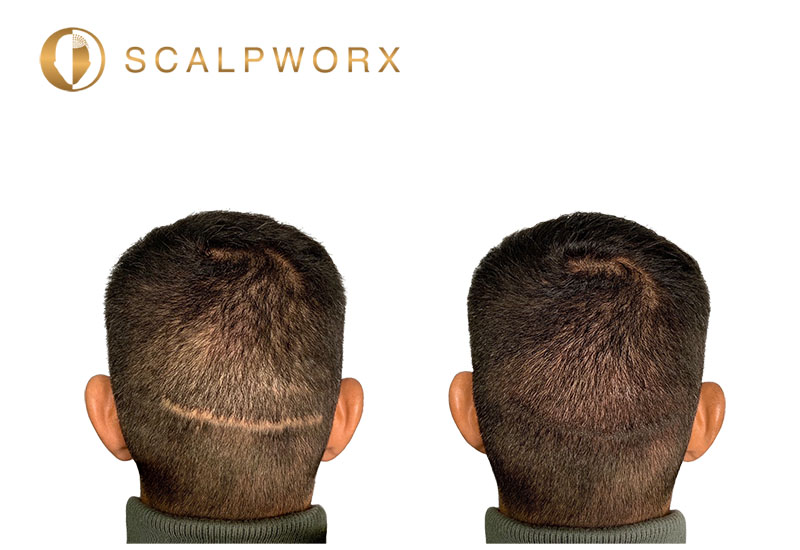
An old scalp scar can stay emotionally frustrating long after an injury, surgery, burn, or hair restoration procedure has healed. It may draw more attention as nearby hair becomes thinner, your hairstyle changes, or you decide to wear your hair shorter.
We understand why that can make simple things, like getting a haircut, being in photos, or spending time outside, feel uncomfortable. Scalp micropigmentation, often called SMP, may help reduce the contrast between a scar and the surrounding scalp, but the right approach starts with a close, personal assessment.
Feel More Comfortable Showing Your Scalp Again
SMP does not remove scar tissue, change the texture of a scar, or make hair grow back. Instead, we place carefully matched pigment impressions in and around suitable scar tissue. These impressions are designed to resemble the look of closely shaved hair follicles, helping the scar blend more naturally with nearby hair and skin.
A scar can become more visible for many reasons. Hair may thin around it over time, a new haircut may expose it, or the scar may look lighter than the rest of the scalp. For some people, even a small scar can feel like the first thing others notice.
Because no two scars are alike, we do not take a one-size-fits-all approach. The scar’s color, size, age, texture, and healing history all matter. So do your skin tone, existing hair pattern, and the style you prefer to wear.
An Old Scar Can Still Look Less Noticeable
The fact that a scar is old does not automatically rule out SMP. We may assess scars related to past hair transplants, accidents, surgeries, burns, or other scalp injuries, as long as the area is fully healed and stable.
Old scars often stand out because they may be smoother, lighter, raised, indented, or unable to grow hair. With the right candidate, SMP can soften the visual difference between the scar and the surrounding scalp. It creates a camouflage effect, not a promise that the scar will disappear.
People searching for scalp scar repair in Atlanta should understand that the best outcomes come from thoughtful blending and realistic goals. We look at how the scar may accept pigment, then plan around your natural hair pattern, skin tone, and preferred hair length.
Before treatment, we need to know that the scar is mature. We will ask about concerns such as:
- When and how the scar happened
- Whether it has changed recently
- Any tenderness, inflammation, or open areas
- Previous scar treatments or scalp procedures
- A history of difficult healing or keloid scars
Your Scar and Skin Must Be Assessed First
A professional assessment is the most important part of scar camouflage. Scar tissue does not always behave like healthy scalp skin. Some areas retain pigment well, while others may hold it less evenly or require a slower, more cautious treatment plan.
During an evaluation, we examine the scar’s location, width, color, texture, and height compared with the nearby scalp. Flat scars can respond differently than scars that are raised, depressed, shiny, or highly fibrous. These details affect where pigment can be placed and how natural the final blend may look.
Surrounding hair matters just as much. A scar beneath longer hair may need a density-focused approach, while one exposed by a close buzz cut may need finer follicle-style impressions. If you are also dealing with thinning hair, we consider how scar camouflage may work alongside hairline restoration or density work.
During a scalp scar repair in Atlanta consultation, we encourage you to share photos of the scar over time, information about prior surgeries, current medications, skin conditions, and any previous tattoo or SMP work. That background helps us set honest expectations for healing, pigment retention, session spacing, and future maintenance.
SMP Works Best with Realistic Expectations
A successful scar camouflage result usually means the scar is less noticeable at a normal conversational distance. It does not mean the scalp will look perfectly uniform in every mirror, under bright overhead lighting, or from inches away.
SMP can reduce color contrast, but it cannot flatten raised tissue, fill an indented area, or remove a shiny surface. Light, scalp oil, hair length, and viewing angle can all affect how visible a scar appears. We want you to understand that difference before deciding whether treatment fits your goals.
Scar tissue may take pigment unevenly, which is why a gradual process is often the better choice. Rather than trying to make an area dark right away, we can build the look carefully over multiple sessions and observe how the skin heals between visits.
Long-term results can also be affected by:
- Sun exposure and changes in skin tone
- Natural hair loss progression around the scar
- Your usual grooming and hair length
- The scar’s individual pigment retention
- The possible need for future touch-ups
Know What Treatment and Aftercare May Involve
Treatment begins with a customized pigment plan and conservative placement. We may begin with lighter density, then adjust in later sessions after seeing how the scar responds. This slower approach helps avoid an overly dark spot or a patchy result that does not match the rest of your scalp.
Aftercare matters because the skin needs time to settle after each appointment. Instructions vary by person and treatment area, but we may ask you to avoid washing the scalp, heavy sweating, swimming, direct sun, and certain scalp products for a short time. Following those directions gives the treated skin a better chance to heal properly and retain pigment.
Anyone considering scalp scar repair in Atlanta should ask clear questions about the expected number of sessions, the time between sessions, aftercare needs, and whether touch-ups may be appropriate later. fall can be a practical time to plan around workouts, travel, outdoor activities, and upcoming holiday photos, while still giving your scalp room to heal between appointments.
If an old scar has made you feel like you need to hide part of your scalp, SMP may be worth exploring once the area is fully healed and stable. Bringing photos, treatment details, and honest goals to your assessment can help you make a well-informed choice about whether camouflage is likely to give you a more natural-looking blend.
Restore Confidence With Personalized Scar Camouflage
At Scalpworx, we create tailored SMP solutions designed to complement your existing hair and skin tone. Learn how scalp scar repair in Atlanta can help improve the appearance of a healed scar with a thoughtful, individualized approach. When you are ready to discuss your options, contact us to schedule an assessment.