
Understanding Alopecia Treatment Options in Atlanta This Fall
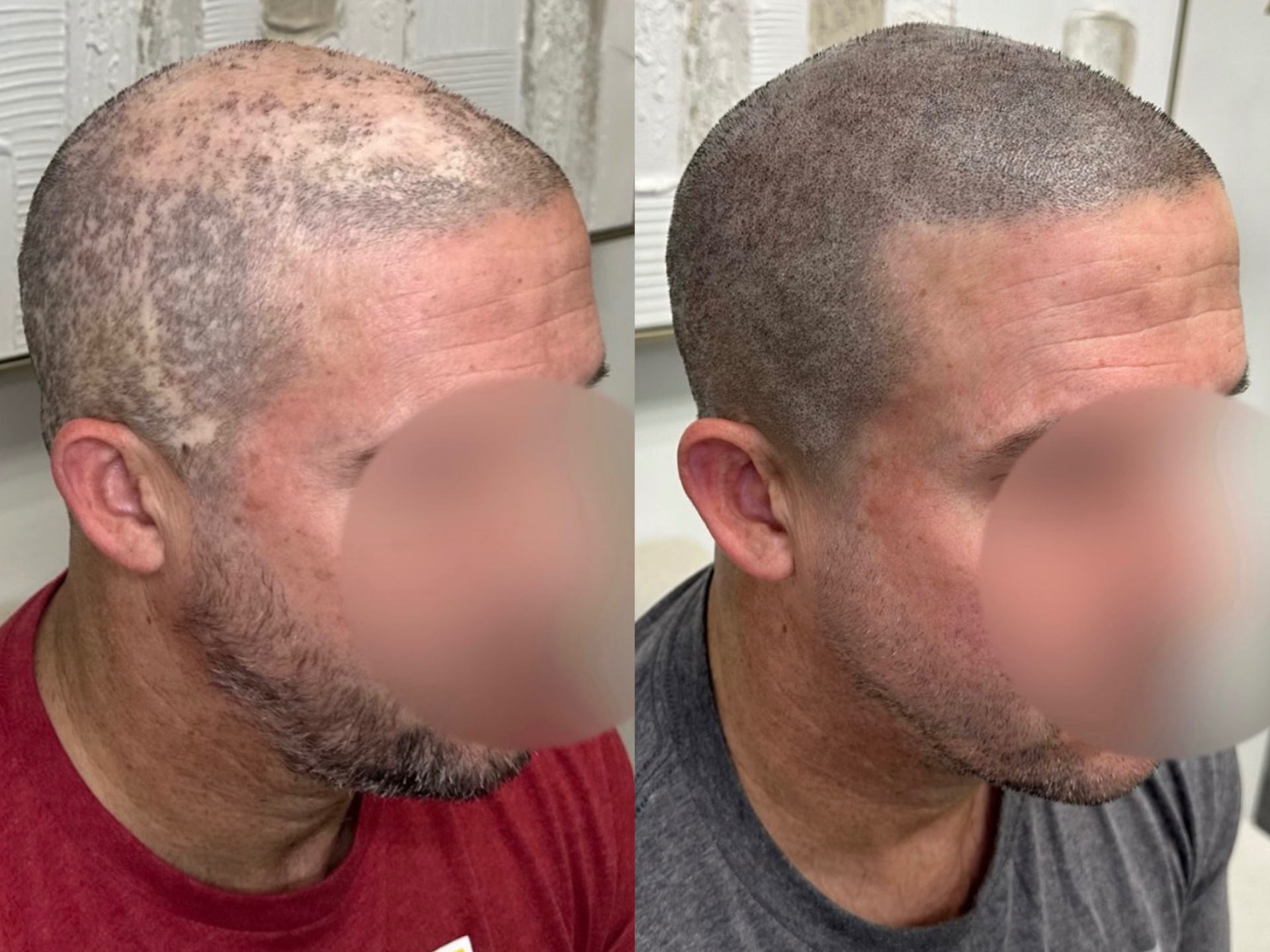
Alopecia can take many forms, and understanding the available options begins with knowing whether your concerns involve medical hair-loss management, cosmetic coverage, or both. A thoughtful approach can help you set realistic expectations for your scalp, hair pattern, and desired appearance.
Reclaim Hair-Loss Confidence This Fall
Alopecia treatment in Atlanta starts with understanding what is causing your hair loss and what kind of result you hope to see. Thinning at the crown, a receding hairline, patchy loss, visible scalp scars, or sudden shedding can affect how you feel in photos, at work, and during everyday routines.
Fall can be a natural time to revisit those concerns. Cooler weather, changing schedules, and upcoming gatherings may make you more aware of how you want to look and feel. At Scalpworx, we believe a helpful plan begins with clear expectations: some options focus on medical causes of hair loss, while cosmetic solutions can improve the appearance of density, hairlines, and certain scars.
Hair loss is personal, and so are the goals behind treatment. We encourage you to work with qualified medical providers for diagnosis questions and experienced cosmetic practitioners when you want to explore appearance-based solutions.
Start with an Accurate Alopecia Diagnosis
Alopecia is a broad term, not one single condition. Different forms of hair loss can have different patterns, causes, and care needs. For that reason, we recommend starting with a dermatologist or medical provider who can examine your scalp, review your health history, and discuss possible contributing factors.
A provider may evaluate concerns such as:
- Androgenetic alopecia, often called male or female pattern hair loss
- Alopecia areata, which may cause patchy hair loss
- Traction alopecia related to repeated pulling or tension on the hair
- Telogen effluvium, which can involve increased shedding
- Scarring alopecia and other conditions that affect the scalp
No two hair-loss patterns look exactly alike. A widening part may need a different approach than a smooth patch, a thinning hairline, or a scar left after an injury or transplant procedure.
Sudden shedding, scalp pain, irritation, inflammation, or patches that seem to expand quickly deserve prompt medical attention. Rather than trying a one-size-fits-all solution, we encourage you to get answers about your scalp health first. A diagnosis can help you make better choices about medical management, cosmetic coverage, or a combination of both.
Explore Medical Options for Hair-Loss Management
Once a provider identifies the likely cause of hair loss, they may discuss medical options that fit your diagnosis and health profile. Depending on the situation, recommendations may include topical treatments, oral medications, corticosteroid therapies, platelet-rich plasma, or other approaches.
Medical care can have different goals. In some cases, it may focus on slowing further loss. In others, it may aim to reduce inflammation, support regrowth, or manage an underlying condition. Results, risks, timelines, and candidacy vary widely, so we encourage you to rely on your provider’s guidance instead of comparing your experience to someone else’s.
A few practical reminders can help you stay on track:
- Follow your provider’s directions for use and follow-up visits
- Ask questions about possible side effects and realistic timelines
- Avoid stopping a prescribed plan simply because results are not immediate
- Tell your provider about new symptoms or changes in your scalp
- Keep your routine consistent during busy work, school, and travel seasons
Fall schedules can fill up quickly, and personal care routines are often the first thing to slip. Still, hair-loss management may take patience. A steady approach gives your medical provider the clearest picture of how your plan is working over time.
Consider Cosmetic Coverage for Lasting Confidence
Medical treatment and cosmetic coverage serve different purposes. Scalp micropigmentation is a non-surgical cosmetic procedure that places specialized pigment deposits in the scalp to replicate the look of hair follicles. The goal is to reduce the contrast between the scalp and existing hair, create the appearance of fuller density, or give a hairline more definition.
For the right person, scalp micropigmentation may address concerns related to male or female pattern thinning, alopecia-related hair loss, receding hairlines, and certain visible scars. It can also help create a cleaner, more balanced look for people who prefer closely cropped hair.
It is important to be clear about what scalp micropigmentation does not do. It does not regrow hair, stop hair loss, or cure alopecia. Instead, it is a cosmetic option that can create the visual effect of more density and a fuller-looking scalp. For some people, that immediate appearance change can complement an existing medical alopecia treatment in Atlanta.
Our approach is centered on natural-looking results. That means considering how pigment placement, density, and hairline design work with your current hair pattern rather than trying to create a result that looks overly dark or artificial.
Choose a Plan That Fits Your Hair Goals
The right plan should fit both your scalp condition and your personal goals. If you are comparing cosmetic practitioners, we suggest looking beyond a single before-and-after image. Ask about experience with scalp micropigmentation, natural pigment selection, sanitation practices, consultation quality, and the kind of results that may be realistic for your hair-loss pattern.
During a scalp micropigmentation consultation, we consider details such as:
- Your skin tone and existing hair color
- The pattern and stage of visible hair loss
- Whether you want added density, hairline definition, or scar camouflage
- Your usual hairstyle and lifestyle
- How subtle or defined you want the finished appearance to be
Good planning matters because scalp micropigmentation is customized. A person with diffuse thinning may want a soft density effect, while someone with a receding hairline may prefer more shape and structure. Scar camouflage may call for a different placement strategy than full-scalp coverage.
Autumn can be a useful planning season if you want to feel refreshed before professional events, family gatherings, or seasonal photos. Keep in mind that cosmetic treatment may involve multiple sessions and aftercare guidance, so it helps to allow enough time for the process.
The most helpful next step is an informed one. Start with medical guidance when you need answers about diagnosis or treatment, then consider cosmetic coverage if fuller-looking density or a more defined hairline matches your goals.
Restore The Look Of A Fuller Hairline
At Scalpworx, we create natural-looking scalp micropigmentation plans tailored to your hair-loss pattern, skin tone, and preferred level of coverage. Learn how alopecia treatment in Atlanta can help create the appearance of added density and a more balanced hairline. When you are ready to discuss your options, contact us for a personalized consultation.