
SMP Correction Vs Removal: Options for Atlanta Clients
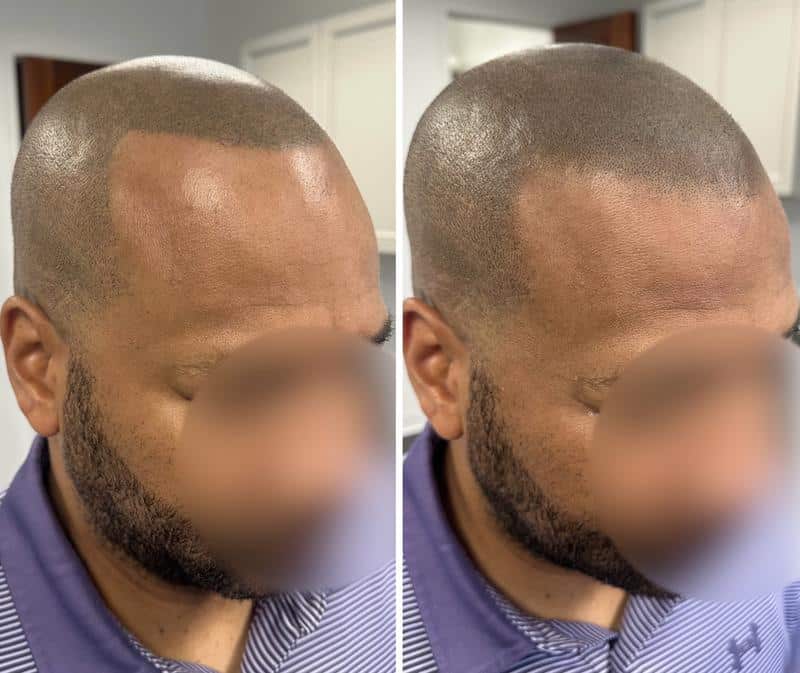
A scalp micropigmentation result that once felt right may no longer match your goals. Pigment can fade unevenly, a hairline may feel too sharp, or a previous treatment may not blend naturally with your skin tone and remaining hair. The good news is that full removal is not always the only answer.
For many people, the right plan involves carefully improving what is already there. We help clients understand the difference between SMP correction in Atlanta and laser-based removal, so they can choose a path that supports a softer, more natural-looking scalp.
Find the Right Path to a More Natural Scalp
SMP correction and SMP removal serve different purposes. Correction focuses on adjusting an existing treatment. It may involve softening a hairline, blending dark areas, rebuilding sparse-looking sections, or adding more realistic detail where older pigment has faded.
Removal takes a different approach. Laser-based removal is used to gradually fade unwanted pigment when the existing work cannot be reasonably reshaped or blended. Some clients want the pigment fully faded, while others only need enough fading to create room for a better-designed treatment.
The best direction depends on several details we evaluate closely, including:
- How dark or saturated the current pigment appears
- The condition and texture of your scalp
- The shape and placement of your current hairline
- Whether you want to preserve any part of your existing SMP
- Your goal for a future hairline, density, or overall look
An honest assessment matters because not every concern needs the same solution. Our goal is to help you understand what can realistically be refined and when a cleaner starting point may make more sense.
Know When SMP Correction Can Improve Your Results
Correction can be a strong option when the existing pigment is still workable. Older SMP does not automatically need to be removed. In many cases, we can build around lighter pigment and create a result that feels more balanced with your age, skin tone, and remaining hair.
Common concerns we see include hairlines that sit too low, dots that look too dark, uneven density, faded sections, and color that no longer blends naturally. A hairline may also feel too solid or sharp at the front, which can make the treatment look less like real follicles.
Depending on the starting point, SMP correction in Atlanta may include softening the front hairline, adding strategic density, blending harsh areas, or adjusting the visual tone with carefully selected pigment. We may also rebuild certain sections using smaller, more natural-looking impressions rather than simply placing more pigment over the top.
Still, correction has limits. If pigment is overly dark, heavily layered, or placed far outside the hairline you want, trying to cover it may create a denser and less natural result. In that situation, fading some or all of the existing work first can give us more room to create the look you actually want.
Understand When SMP Removal Is the Better Choice
Removal may be the better path when you want a major change or no longer want SMP in its current form. It can take patience, but fading unwanted pigment may provide a cleaner canvas for a future correction or a complete redesign.
We may discuss removal when previous work includes:
- Blue or green pigment shifts
- Large dots or overly dense areas
- A hairline that is too low on the forehead
- A shape that no longer looks natural or age-appropriate
- Pigment that is too dark to blend successfully
Laser removal is generally intended to break down pigment gradually. The number of sessions and the amount of fading can vary based on pigment color, depth, density, age, previous treatment layers, and how your scalp responds. Because every scalp and treatment history is different, photos alone do not always show how much pigment is present beneath the surface.
Choosing removal does not mean you have to give up on SMP permanently. Some clients prefer partial fading before correction. That staged approach can reduce the appearance of unwanted pigment while preserving enough of the original treatment to make the process more efficient. Once the scalp has reached an appropriate level of fading, a new design can be created with more natural placement and softer detail.
Compare Correction and Removal Before Making a Decision
The main difference comes down to the goal. Correction is intended to improve and refine an existing look. Removal is intended to fade work that cannot be adapted or that you no longer want.
Correction may require fewer appointments when the current pigment can be blended successfully. Removal often involves multiple sessions spaced apart, giving the scalp time to recover and allowing the pigment to fade between treatments. A staged plan that combines fading and correction may take longer, but it can be the right choice when a simple cover-up would not produce a believable result.
Timing can matter, too. For Atlanta clients, a late-autumn consultation can be a useful time to plan around winter travel, gatherings, work schedules, and the new year. Cooler weather may make it easier for some people to limit heavy sweating and prolonged sun exposure during aftercare. Your specific instructions should always come from the provider overseeing your treatment plan.
Ask the Right Questions About Your SMP Plan
A consultation should give you a clear picture of what is possible, not just what sounds appealing. We carefully examine the scalp, existing pigment, hairline placement, and the look you hope to achieve before recommending correction, removal, or a combination of both.
Bring questions that help you understand the process, such as:
- Can the current pigment be blended or reshaped safely?
- Which parts of the existing SMP can realistically be improved?
- How many sessions may be needed, and how far apart will they be?
- What aftercare steps could affect healing and pigment retention?
- Do before-and-after examples show concerns similar to mine?
Relevant examples can be especially helpful if you are concerned about a harsh hairline, uneven density, alopecia coverage, scar camouflage, or a previous SMP treatment that no longer feels right. The goal is not to copy someone else’s hairline. It is to create a subtle, balanced result that suits you.
An unwanted SMP result does not have to remain permanent in its current form. Whether the right choice is a careful correction, partial fading, or removal before a fresh design, a thoughtful plan can help move you toward a scalp appearance that looks more natural and feels more like your own.
Get A Clear Plan For Your Scalp
At Scalpworx, we assess your existing work and recommend an approach based on your goals, skin, and current pigment. Learn how SMP correction in Atlanta can address uneven density, unnatural hairlines, or discoloration with a personalized strategy. For guidance on your next step, contact us to arrange a consultation.