
Uneven SMP Fading: When Birmingham Clients Need Repair
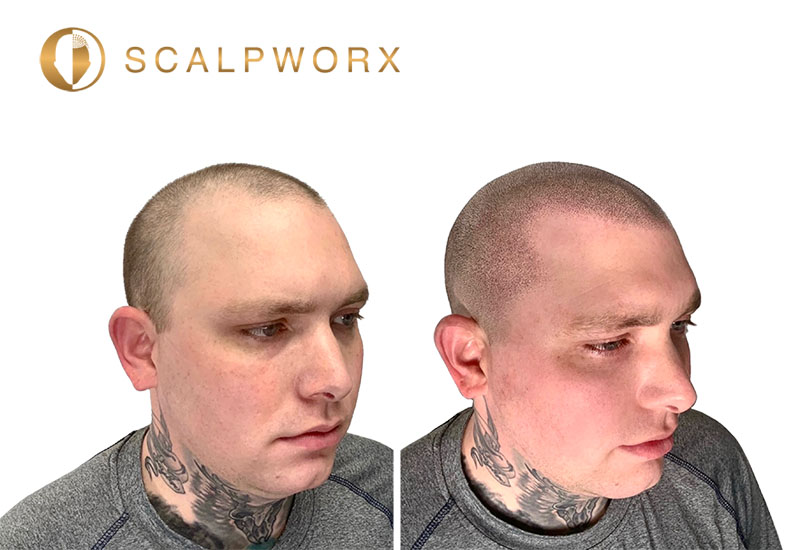
Uneven SMP fading can make a previously natural-looking result feel patchy, light, or out of balance. The good news is that fading does not always mean your scalp micropigmentation treatment failed. Pigment is meant to soften over time, and many older treatments can be refined instead of completely redone.
At Scalpworx, we look at the full picture, including your existing pigment, scalp condition, hair loss pattern, and the look you want now. With a careful plan, we can help Birmingham clients move toward a cleaner, more balanced result that fits their current appearance.
Know the Difference Between Normal Fading and Uneven Fading
SMP does not stay exactly the same forever. A normal fade usually happens slowly and evenly across the treated area. The impressions may look softer after several years, but the hairline shape, color, and density still appear balanced.
In that case, you may simply need a refresh to bring back definition. Repair becomes more important when some parts of the scalp change more than others or when the pigment no longer blends naturally with your hair.
Signs that may point to uneven fading include:
- Lighter spots within an area that was meant to look dense
- A front hairline that stands out more than the rest of the treatment
- One side of the scalp fading faster than the other
- Pigment that looks blue, gray, green, or otherwise off-tone
- Blurred edges or impressions that no longer resemble soft hair follicles
Autumn can make these concerns easier to notice. A shorter haircut, drier scalp skin, less time in the sun, or upcoming social events and photos may draw your attention back to an older SMP result. Catching the issue early often gives us more options for creating a subtle repair.
Why SMP Pigment Can Fade Unevenly
Sun exposure is one of the common reasons pigment may fade faster in certain places. The frontal hairline and crown are often more exposed, especially if you spend a lot of time outdoors without protecting your scalp. Over time, those areas can become lighter than the sections that receive less sun.
Your skin and grooming habits can play a part, too. Oil production, exfoliating products, harsh shampoos, and aggressive scalp treatments may affect how pigment appears. Some scalp conditions can also change the way the skin looks and feels, which is why we assess the scalp before planning any repair work.
The original treatment matters as well. Pigment that was placed too darkly, too deeply, too large, or in a tone that did not suit the skin can age differently than intended. That does not mean there is no path forward. It does mean that SMP repair in Birmingham should begin with a close evaluation, not a quick attempt to add more pigment over the top.
When a Professional Repair Makes Sense
A repair may be a good next step when your SMP creates visible contrast instead of blending with the rest of your scalp. Perhaps the density treatment now looks sparse, your hairline no longer suits your current style, or the existing pigment does not match your present hair color or hair loss pattern.
No two repair plans should look alike. During an assessment, we consider the age and depth of the existing pigment, the condition of your scalp, scar tissue if present, your current hair growth, and the hairstyle you prefer. Those details help us decide whether you may benefit from a light touch-up, color correction, scar camouflage, density work, or a more complete repair plan.
A thoughtful repair may address concerns such as:
- Rebuilding faded density without making the scalp too dark
- Softening a hairline that looks harsh or uneven
- Correcting pigment with an unwanted undertone
- Blending older SMP with current hair loss changes
- Camouflaging areas where scars interrupt the appearance of density
For some people, the right approach is very subtle. Others may need more detailed work over several sessions. We favor a conservative plan that supports a believable, age-appropriate appearance rather than an overly bold scalp tattoo effect.
Build a Repair Plan in Stages
Repair work often happens gradually. The first session may focus on reducing contrast, correcting the look of the pigment, or restoring a small amount of faded density. Once the scalp has healed and the pigment has settled, follow-up work can add detail where it is truly needed.
Taking this measured approach matters when we are working over old pigment. Adding too much darkness too quickly can make the result look heavy, especially near the hairline. Instead, we build the appearance of depth carefully so the treatment can blend with your skin tone, natural follicles, and any remaining hair.
Aftercare also plays a role in helping your refreshed SMP look its best over time. We provide post-session directions based on the work performed, but long-term care generally means being mindful of sun exposure and avoiding overly harsh scalp products. When future fading occurs gradually and evenly, maintenance can be planned before the contrast becomes distracting again.
Fall can be a practical time to address uneven fading because many people are already adjusting their grooming routines for cooler, drier weather. It can also give the scalp time to settle before end-of-year gatherings, photographs, and other occasions when you want to feel more comfortable with your appearance.
Choose Repair Over Temporary Cover-Ups
Temporary powders, sprays, and at-home color products may hide uneven areas for a short time, but they do not explain why the pigment changed or help correct the underlying imbalance. Trying to cover a color shift without understanding the existing pigment can make it harder to see what truly needs attention.
A professional assessment helps separate simple fading from concerns that need more careful correction. The goal is not to make your scalp darker. It is to restore balanced density, a believable hairline, and a natural transition between treated and untreated areas.
When old SMP begins to look uneven, avoid rushing into a heavy touch-up. A measured evaluation and conservative repair plan can help the result settle into your current look, rather than making the scalp treatment more noticeable.
Restore A More Natural, Even Look
At Scalpworx, we assess fading patterns and existing pigment before recommending the right next step. Learn how SMP repair in Birmingham can refine an uneven result with a tailored approach. If you have questions about your scalp treatment, contact us to arrange a consultation.